


The historical evolution of casinos From ancient games to modern gambling halls
Origins of Gambling in Ancient Civilizations
The history of casinos can be traced back to ancient civilizations, where the act of gambling was intertwined with cultural rituals and social gatherings. Early forms of gambling included games of chance using dice, which were often made from animal bones or other materials. These games were popular in cultures such as the Egyptians and the Romans, who used them as entertainment and means of predicting the future. In modern times, those looking to experience a realm of gaming might consider the opportunity to playojo register casino and explore various betting options.
In these early societies, gambling was more than just a pastime; it played a crucial role in religious ceremonies and community bonding. Artifacts suggest that games like senet in Egypt were not only recreational but also had spiritual significance, showcasing the deep-rooted connection between gambling and various aspects of life in ancient times.
The Rise of Casinos in the Renaissance Era
The concept of casinos as dedicated gambling establishments emerged during the Renaissance in Europe. The first recognized casino, the Ridotto, was established in Venice in 1638. This venue set a precedent by offering a regulated space for gambling, complete with rules and oversight to ensure fairness. The Ridotto attracted the wealthy elite, marking the beginning of gambling as a popular social activity among the upper classes.
During this period, card games gained immense popularity, leading to the development of various gaming tables. The allure of these early casinos was not just the games themselves, but the luxurious environments and the opportunity for social interaction among the wealthy, setting the stage for the glamorous casinos of today.
The Expansion of Gambling in the 19th Century
The 19th century marked significant growth for casinos, particularly with the establishment of iconic venues in cities like Monte Carlo and Las Vegas. The Monte Carlo Casino opened in 1863, attracting visitors from across Europe and establishing a reputation for luxury and sophistication. This era also saw the introduction of various games, such as roulette and blackjack, which became staples in casinos around the world.
This period was characterized by a blending of entertainment and gambling, with casinos often featuring theaters, concerts, and fine dining. This multifaceted approach helped popularize gambling, making it accessible to a broader audience and cementing the status of casinos as premier entertainment destinations.
The Modern Casino Experience
The late 20th and early 21st centuries witnessed a transformation in the casino landscape, driven by technological advancements and changing social attitudes towards gambling. The advent of online gambling revolutionized the industry, allowing players to enjoy their favorite games from the comfort of their homes. This shift has not only expanded the reach of gambling but has also led to the development of innovative gaming technologies.
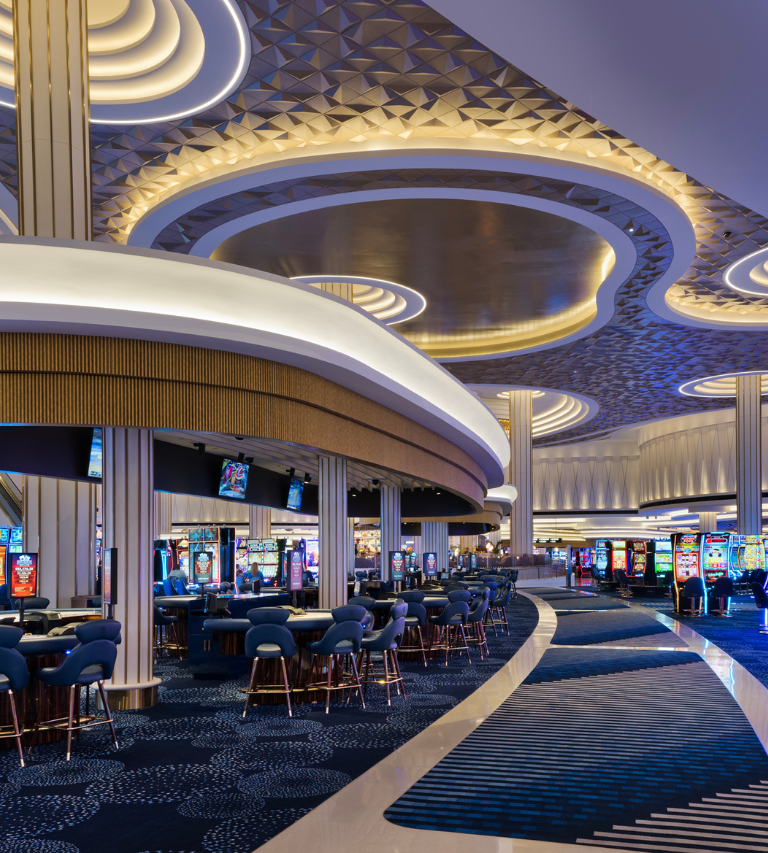
Modern casinos are now equipped with sophisticated security systems and offer a wide range of gaming options, including slots, poker, and sports betting. Furthermore, casinos have evolved into entertainment hubs, incorporating hotels, restaurants, and live performances to create a comprehensive experience for visitors.
Future Trends in Gambling
The future of casinos and gambling is set to be shaped by continuing technological innovations and evolving consumer preferences. Virtual reality and augmented reality are expected to play a significant role in enhancing the gaming experience, offering immersive environments that simulate the thrill of physical casinos.
Additionally, the integration of artificial intelligence is likely to personalize user experiences, providing tailored game recommendations and improving customer service. As regulations around online gambling continue to adapt, the growth of digital casinos will likely parallel trends in responsible gaming, ensuring that the industry remains sustainable and ethical.